Strengthening Rural Education through Inclusive & Sustainable Infrastructure
The Climate Resilient School Transformation Program is a cluster-based rural education initiative implemented in Ghutgoria Panchayat, Barjora Block, Bankura district, West Bengal. The program aims to improve school infrastructure, learning outcomes, and child wellbeing by creating safe, inclusive, and climate-resilient school environments for children from underserved and vulnerable communities.
Aligned with CSR priorities, SDG-4 (Quality Education), SDG-5 (Gender Equality), SDG-6 (Clean Water and Sanitation), and SDG-13 (Climate Action), the initiative addresses key systemic gaps in WASH infrastructure, STEM learning facilities, school health, and community participation.
Core interventions include
- Climate-resilient school infrastructure development and retrofitting
- WASH facilities in government and Government Sponsored schools
- Science laboratory upgradation to strengthen STEM education
- School health, hygiene, and nutrition awareness programs
- Skill development and life-skills workshops for students
- Community engagement and capacity building for long-term sustainability.
Anganwadis Transformed
With BALA painting
Primary & High Schools Transformed
With WASH facility
Training on WASH
Students & parents
MHM awareness
Adolescent Girls &
SANITARY NAPKIN DISTRIBUTED
Students of Natungram
Incinerator installed
Facilitating proper
Training on Low Cost Nutrition program
Mothers trained
SCIENCE LAB INSTALLED
schools
Livelihood Training
Women for sustainable
Program Key Activities
Infrastructure & WASH Facilities
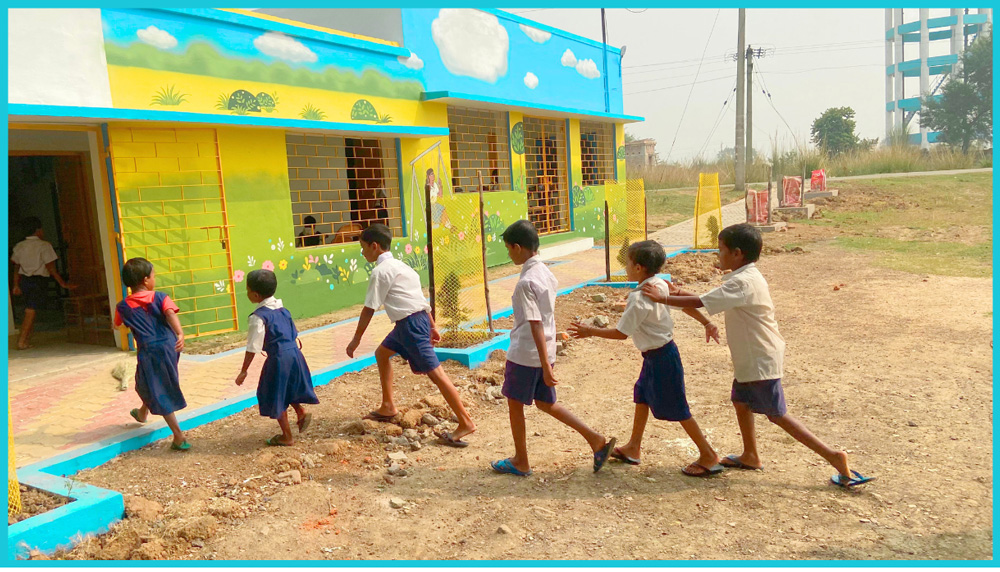
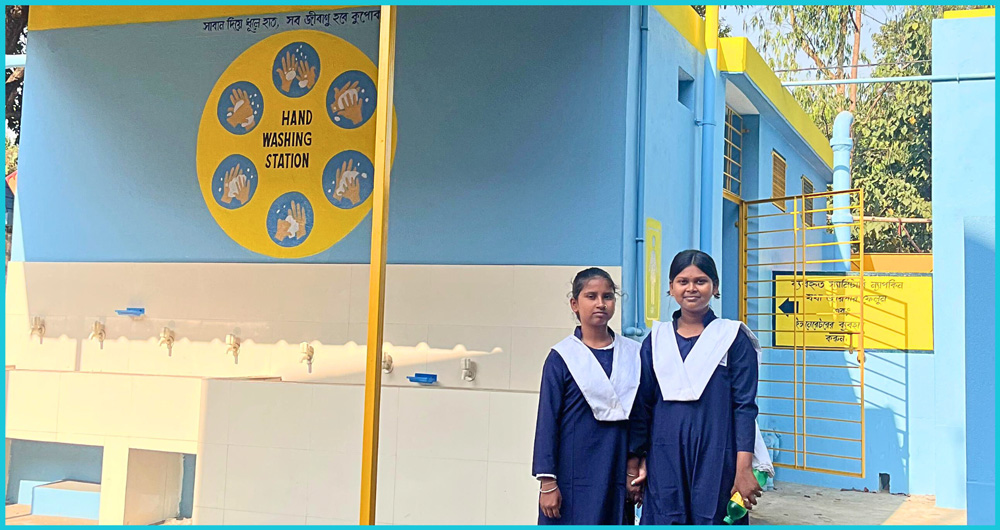
Comprehensive construction and renovation including gender-segregated toilets with running water, hand-washing stations with community soap banks, safe drinking water units, dining halls, and kitchen gardens. Schools are transformed using BALA (Building as Learning Aid) principles— educational murals and wall paintings that turn every surface into an interactive learning tool. Inclusivity measures include ramps and disability-friendly facilities. Incinerators installed at girls’ toilets for safe menstrual hygiene waste disposal.
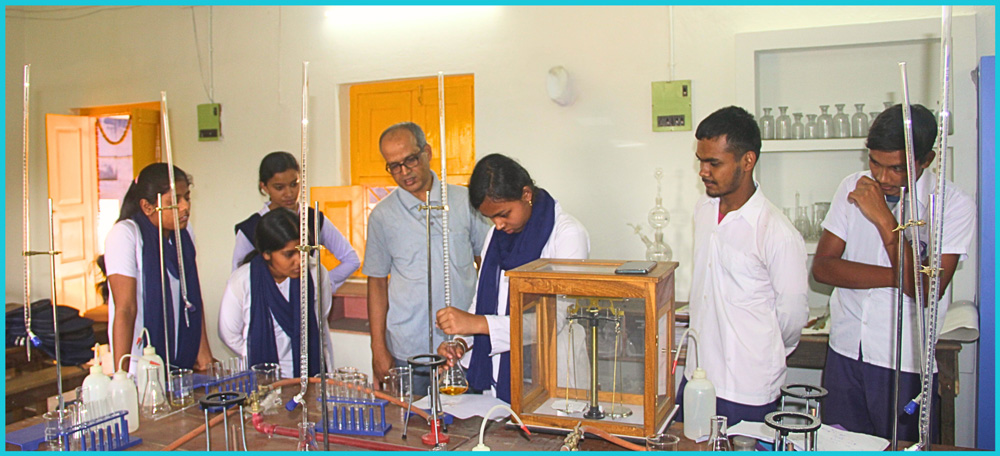
Science Lab Upgradation
Health & Hygiene Programs
Menstrual Hygiene Management (MHM) awareness camps for adolescent girls and women, health and hygiene education sessions, and wellness programs including yoga training for 140+ students to promote physical well-being, concentration, and mindfulness.
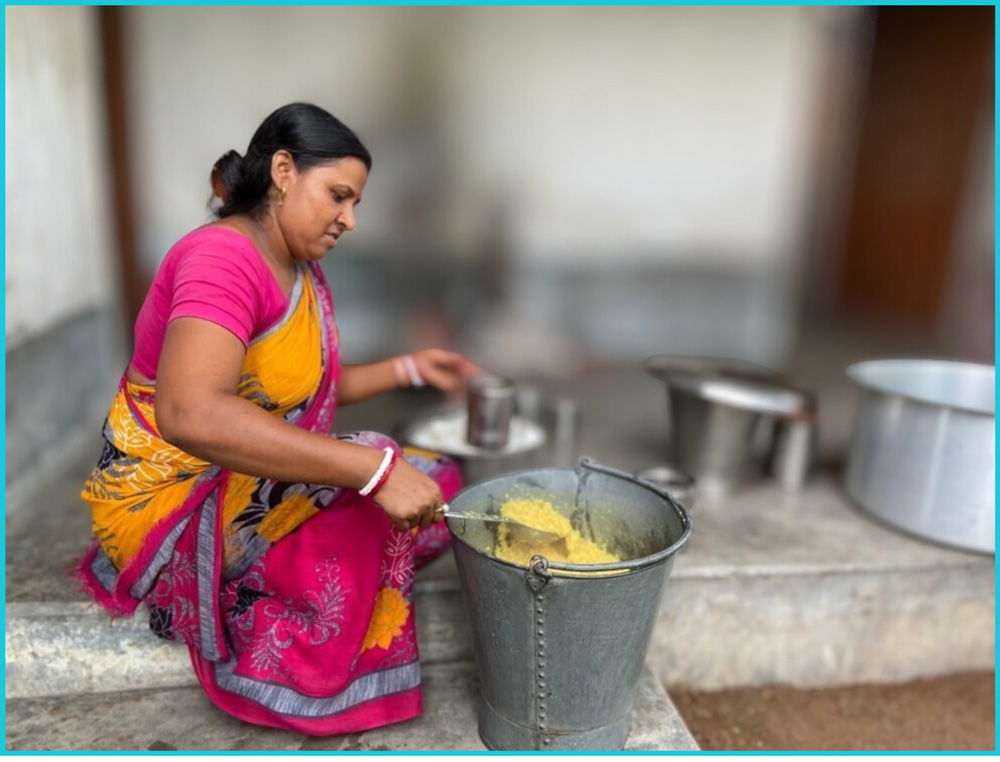
Sustainable Nutrition & Kitchen Gardens
Renovation and construction of school kitchens along with the introduction of kitchen gardens to support mid-day meals, nutrition education, and hands-on learning. These initiatives promote sustainable food practices while strengthening hygiene, environmental awareness, and student participation.