Clean Water, Healthier Lives, Empowered Communities
Access to safe drinking water is a basic human right, yet for many families living in urban slums it remains a daily challenge. Project Swatch was initiated to address this critical need in Tikiapara, Howrah, one of the most densely populated slum settlements under the Howrah Municipal Corporation, The high prevalence of water borne-disease can be attributed towards unavailability of potable water. Recognizing the urgent need for a sustainable solution, DITO implemented a community-based safe drinking water intervention within the slum.
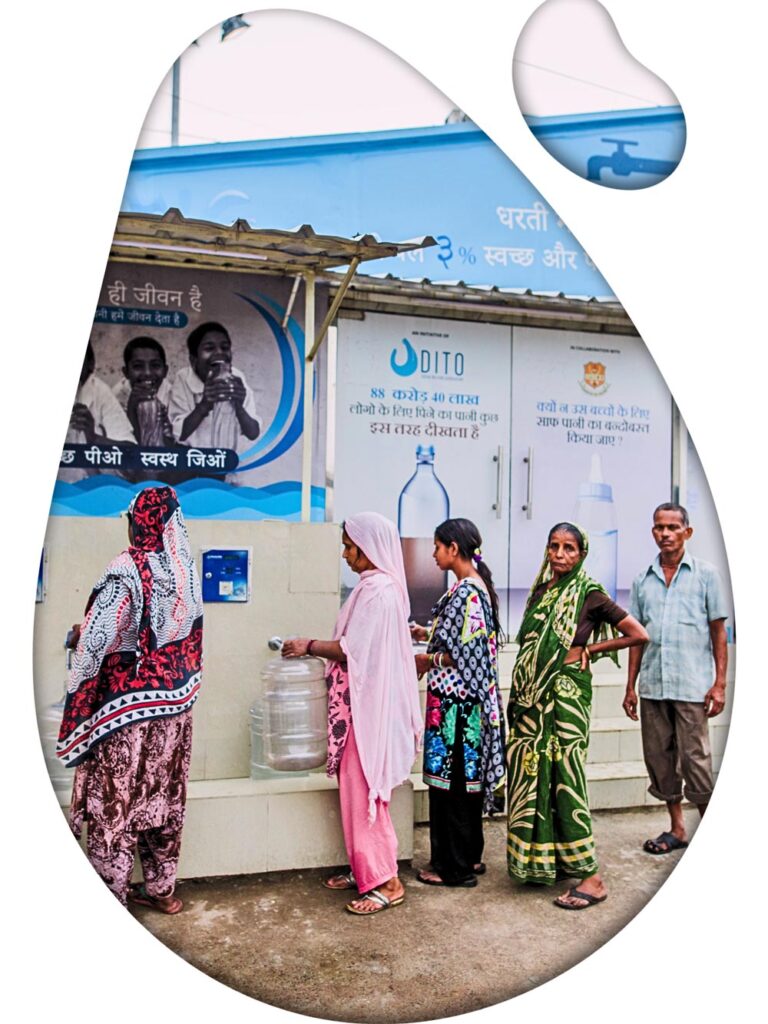
Under Project Swatch, DITO installed a 2000 LPH RO-based water treatment plant inside the community, ensuring easy and quick access to clean and potable drinking water for residents. The facility provides treated water at an affordable cost, making safe drinking water accessible to families who otherwise depend on unsafe sources. Similar access to safe drinking water has been provided to schools in Bally Island, in Sundarbans in 24 Parganas (S).
A key strength of Project Swatch is its community ownership model. The water treatment plant is managed entirely by local women, building leadership, responsibility, and livelihood opportunities within the community. The proceeds from the sale of treated water are used to maintain and operate the plant, while also serving as a sustainable source of income for the women managing it.
The combination of high-quality potable water and affordability has led to growing acceptance and increased usage among residents. As more families choose safe drinking water, the project continues to expand its reach, reducing health risks and improving overall community well-being.
Through Project Swatch, DITO is not only delivering safe drinking water but also fostering women’s empowerment, community participation, and long-term sustainability.
Households are served with potable water
Population consume filtered water
Schoolchildren served with safe drinking water
Improving School Attendance Through Access to Safe Drinking Water in Schools in Gosaba Block in South 24 Parganas
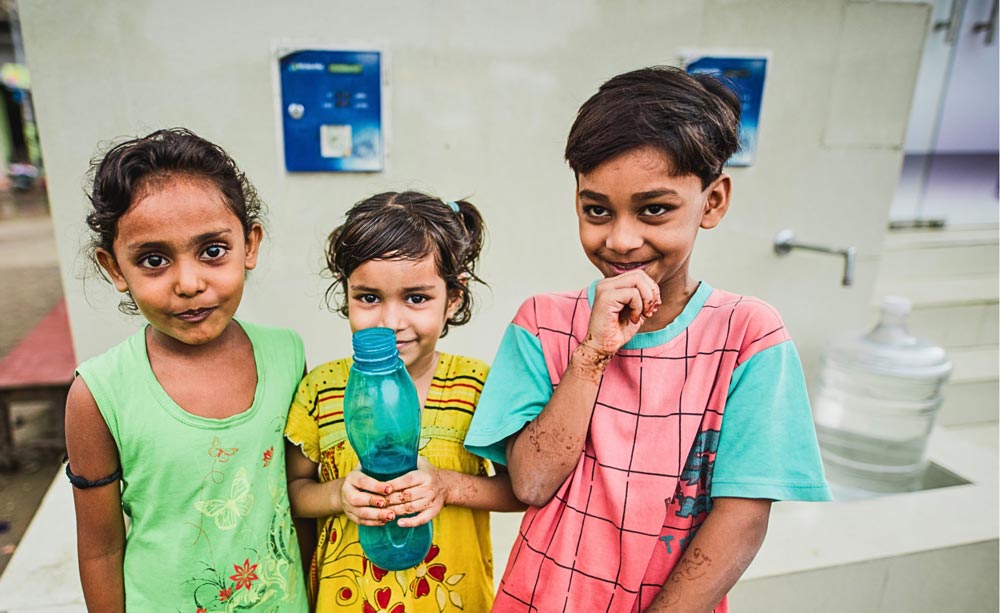
Interactions with students revealed meaningful changes. Meals that were previously prepared using hard and saline water are now cooked with filtered water, resulting in noticeably better taste and improved food quality. The midday meals have become more appetising, encouraging children to attend school regularly. Additionally, students now have access to safe drinking water that no longer tastes saline, significantly enhancing their daily school experience.
While working to improve the health status of school children in the Gosaba Block of the Sundarban island, DITO Social Welfare Association observed a persistently high rate of absenteeism. Multiple factors contributed to this challenge; however, the poor condition of school sanitation facilities and the lack of access to safe, potable drinking water emerged as critical concerns directly affecting student attendance and well-being.
In response, DITO initiated a pilot intervention by installing a media-based water filtration system at Vijaynagar Adarsha Vidya Mandir at Bally Island. The objective was to ensure a reliable supply of safe drinking water for daily use, including cooking midday meals. Within three months of implementation, the school recorded a commendable improvement in student attendance.
This pilot project highlights the direct link between basic infrastructure, health, and education. By addressing access to clean water, DITO Social Welfare Association has not only improved hygiene and nutrition but has also created a more enabling environment for learning—demonstrating how simple, targeted interventions can lead to lasting social impact in vulnerable regions like the Sundarbans.